What is industry 4.0?
Industry 4.0 is the current phase of digitization in manufacturing, transitioning from automated production to intelligent, interconnected smart factories that self-optimize complex processes across the factory floor. Historically, the first industrial revolution replaced animal power with steam power, while the second introduced an extensive railroad network to support mass production and standardized assembly lines.
The third industrial revolution brought automation to the said mass production by embedding programmable logic controllers to execute repetitive tasks, eventually sparking a digital revolution championed by the German government. Today, this fourth industrial revolution manages advanced and new technologies to drive digital transformation – although the growing skills gap in the manufacturing industry requires increasing technical expertise in artificial intelligence, robotics and data science.
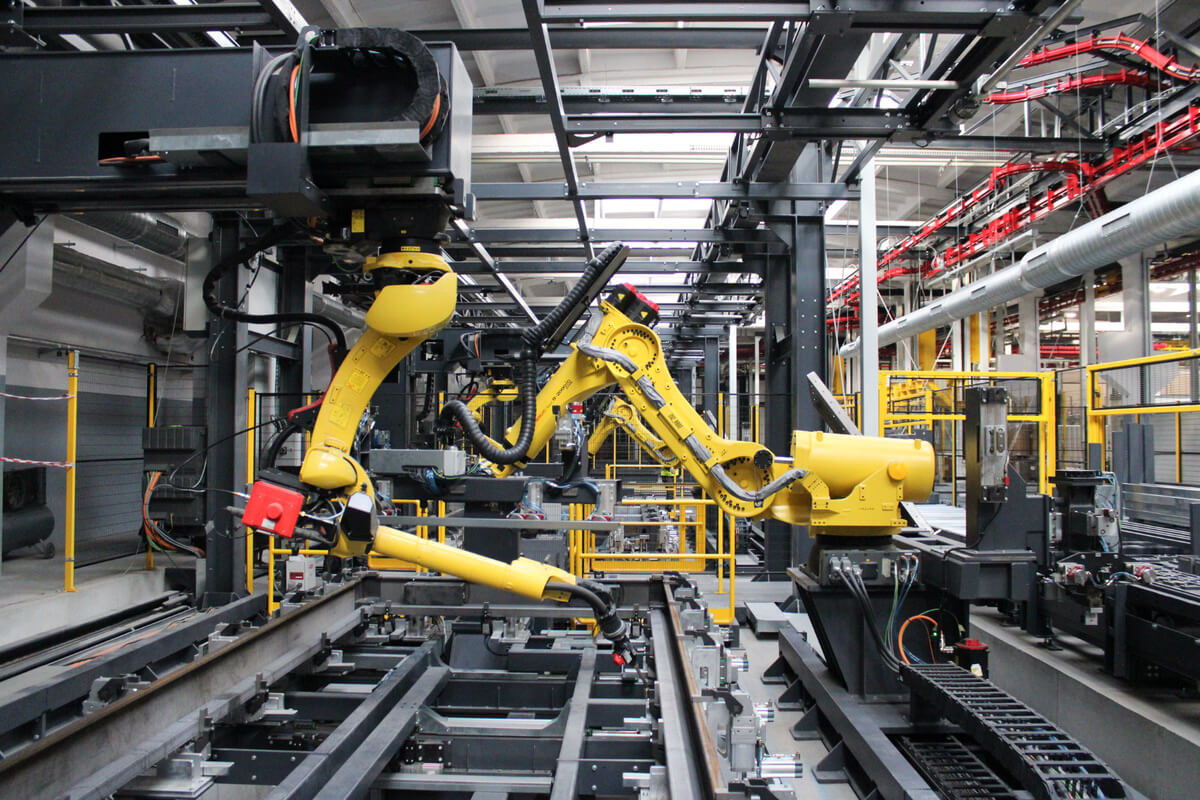
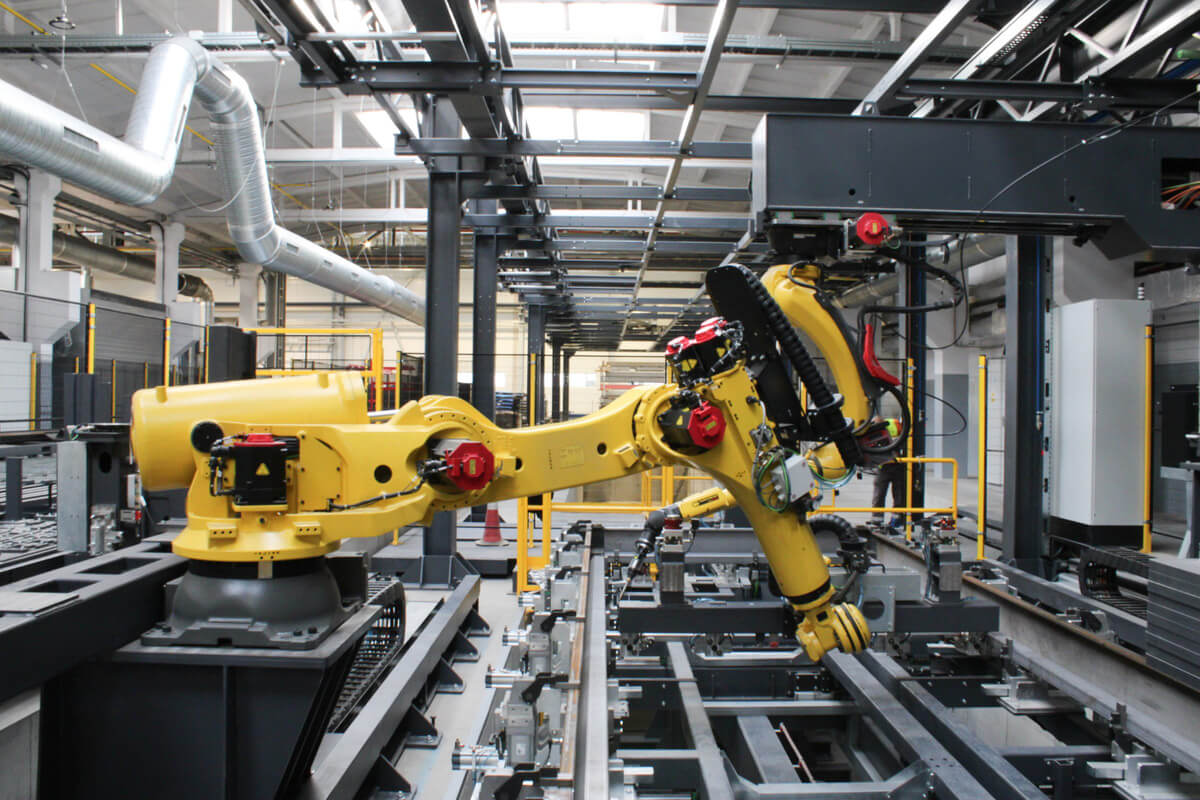
Modular System integrates advanced Industry 4.0 technologies with production processes, redefining standards in the modular construction sector across various industries. With a fully automated production line—unique in Poland—Modular System delivers large-scale projects, providing solutions recognized by millions of users throughout Europe and the United States.
Artificial Intelligence and Machine Learning
Artificial Intelligence constitues a primary driver of Industry 4.0, directly managing technologies like robotics, automated vehicles and real time data analytics to ensure operations require minimal human intervention. By leveraging AI and machine learning algorithms, modern manufacturing companies can efficiently analyze data and take full advantage of the immense volume of information generated across their business units. This powerful integration of AI within Industry 4.0 creates unprecedented insights, providing complete visibility, enhanced predictability and the intelligent automation of both internal operations and critical business processes. Furthermore, using these advanced systems helps facilities build better predictive models, by quickly detecting failure signals to dramatically reduce equipment downtime and prevent unplanned outages in challenging industrial environments.
Cyber-Physical Systems (CPS)
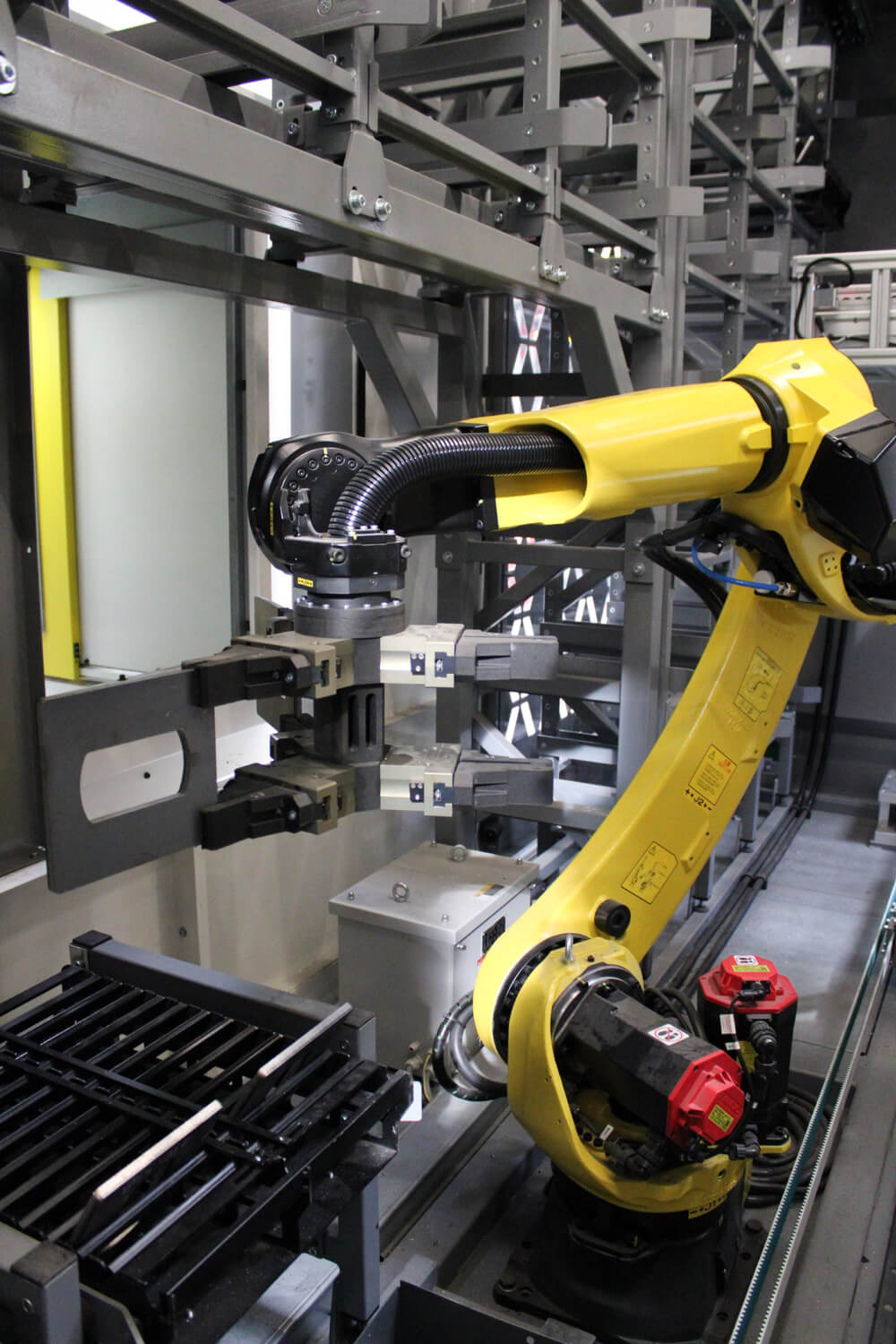
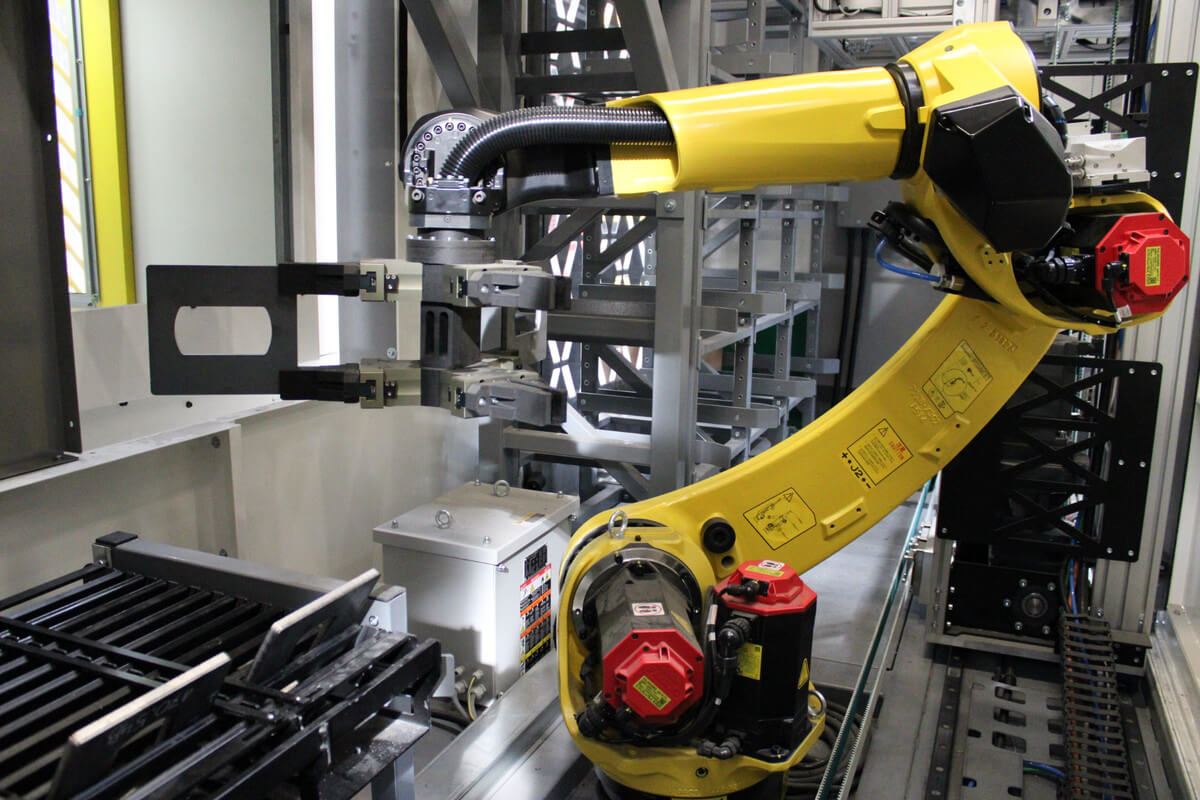
Cyber physical systems are the heart of Industry 4.0, functioning as intricate physical mechanisms, like a robotic arm, that are carefully controlled by advanced computer-based algorithms. By merging the physical and digital worlds, these smart and autonomous systems enable real time monitoring and control over daily operations, directly enhancing overall manufacturing efficiency. However, deploying cyber physical systems requires robust cybersecurity, which is a highly critical aspect of Industry 4.0 due to increased connectivity and the resulting exposure to cyberattacks. Moreover, legacy systems hinder the integration of digital technologies, as fragmented data landscapes and outdated equipment block the data exchange needed to optimize these vital industrial processes.
Internet of Things (IoT)
The industrial internet highly relies on the Internet of Things (IoT), referring to the billions of physical devices worldwide that are actively connected and sharing critical performance data. In a modern smart factory, integrating iot sensors on machines allows them to "talk" to each other without interruption, thus effectively coordinating production schedules and streamlining the entire manufacturing process. This constant flow of real time data from varied iot sensors can reduce inventory costs and improve overall performance across highly complex, global supply chains. Ultimately, Industry 4.0 employs these connected networks to provide end-to-end transparency, allowing manufacturing businesses to optimize logistics, manage disruptions and maximize their total asset lifespan.
Big Data and Analytics
Because Industry 4.0 connects many devices simultaneously, facilities generate a great amount of information that requires intricate data analysis, to maintain a competitive edge in their own industry. Modern operations use these advanced analytics to identify patterns and implement precise predictive maintenance, addressing potential equipment failures long before they disrupt vital production lines. Industry 4.0 technologies tightly combine this analytical power with the industrial internet to increase productivity and improve the daily management of extensive supply chains. This constant evaluation of product data ensures that facilities maintain high output, enabling managers to fine-tune operations on the factory floor and adapt new industry applications without issues.
Cloud Computing
Real-time data sharing across varied sites and countries requires vast storage and processing power, making cloud computing a fundamental, non-negotiable pillar of the fourth industrial revolution. The "Cloud" allows modern companies to safely manage the data without needing a supercomputer in every basement, thus supporting the digital transformation of the wider manufacturing industry. Operating securely within a robust cloud environment and employing edge computing are essential for managing the massive data generated by connected devices, facilitating instantaneous real-time processing. Furthermore, using cloud computing allows facilities to leverage powerful software and programmable logic controllers from afar, ensuring connectivity and fostering innovation across expanding global markets.
Autonomous Robots
While basic factory robots have been used for decades, the autonomous robots deployed during the fourth industrial revolution are markedly different, continuously learning from their complex surrounding environment. These intelligent autonomous systems are specifically designed to interact with each other seamlessly and work safely alongside human operators, intelligently adjusting their assigned tasks on the fly. Industry 4.0 extensively uses these smart machines to navigate the shop floor, handling demanding logistics with precision while replacing outdated equipment that previously hindered progress. By enhancing automation, these robots assist in boosting overall yields by roughly 20% percent, providing a distinct operational advantage and elevating daily smart manufacturing standards.
Digital Twins
A key component of Industry 4.0 is the ongoing creation of digital twins, which are highly accurate virtual replicas of a physical product, an industrial process or entire facilities. These powerful tools enable engineers to test numerous "what if" scenarios in a completely safe digital world before executing potentially expensive changes directly on the physical shop floor. Industry 4.0 facilitates the widespread deployment of digital twins to optimize production processes, reduce costly downtime and eventually refine complex, interconnected business models. By using augmented reality alongside these simulations, personnel can safely interact with simulated environments, enhancing operational planning and enabling improvement throughout the fourth industrial revolution landscape.
Horizontal and Vertical System Integration
Horizontal and vertical system integration ensures that varied departments, from human resources to the factory floor, and different companies within supply chains digitally "speak the same language". This very data exchange supports end-to-end visibility across global supply chains, optimizing logistics and improving order fulfillment times for highly complex modern enterprises. By continuously sharing detailed production data with trusted suppliers, manufacturers can better schedule vital deliveries and reduce the wasted time or cost associated with traditional operational methods. Moreover, integrating blockchain technology is emerging as a critical tool to enable absolute transparency in supply chains under Industry 4.0, allowing industrial companies to remain proactive during disruptions.
Custom Manufacturing
Industry 4.0 transforms traditional approaches by enabling custom manufacturing to meet individual customer needs through the precise integration of highly adaptable digital technologies. Smart factories leverage advanced simulation software and additive manufacturing, such as 3D printing, to rapidly create small batches of specialized items while reducing material waste. This approach allows manufacturers to achieve a "lot size of one" economically, combining flexibility with efficiency to produce customized goods and effectively optimize the entire manufacturing process. Real-time data insights in Industry 4.0 allow engineers to make adjustments instantly, ensuring high quality and innovation while accommodating mass customization demands across the globe.
Precision
Fourth industrial revolution - smart factories
Smart factories are highly advanced production environments where facilities and intricate logistics systems are meticulously organized with minimal human involvement, relying heavily on modern cyber physical systems that communicate with each other using the Internet of Things. These advanced facilities employ embedded software, advanced sensors, as well as sophisticated robotics to collect metrics, fostering innovation, efficiency and improving daily decision-making for management. The ongoing implementation of Industry 4.0 technologies can lead to a 50% improvement in production defect detection, proving the great value of intelligent smart manufacturing frameworks.
The broader fourth industrial revolution landscape empowers facilities to execute predictive shipping securely, integrating advanced telecommunications to ensure goods reach consumers flawlessly while intelligently supporting the development of interconnected smart cities.
Modular System integrates advanced Industry 4.0 technologies with production processes, redefining standards in the modular construction sector across various industries. With a fully automated production line—unique in Poland—Modular System delivers large-scale projects, providing solutions recognized by millions of users throughout Europe and the United States.
Tailor-made machines adapted
to unique needs
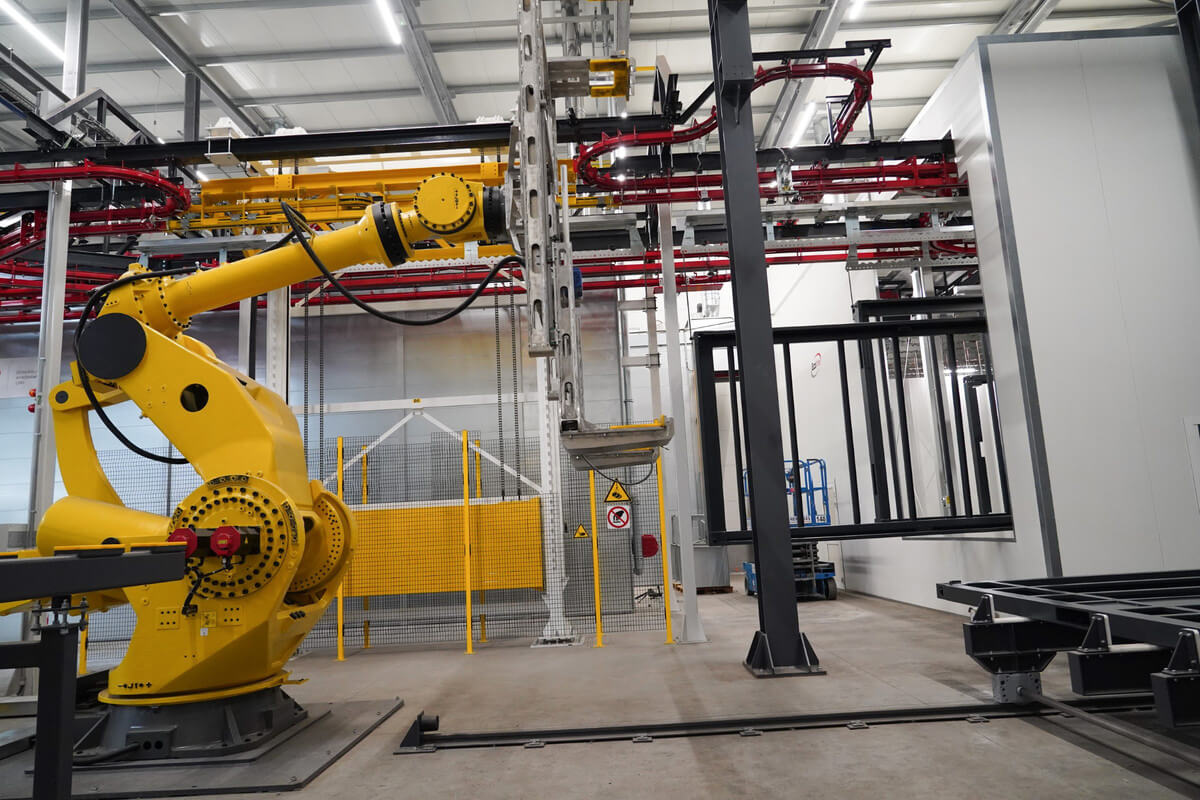
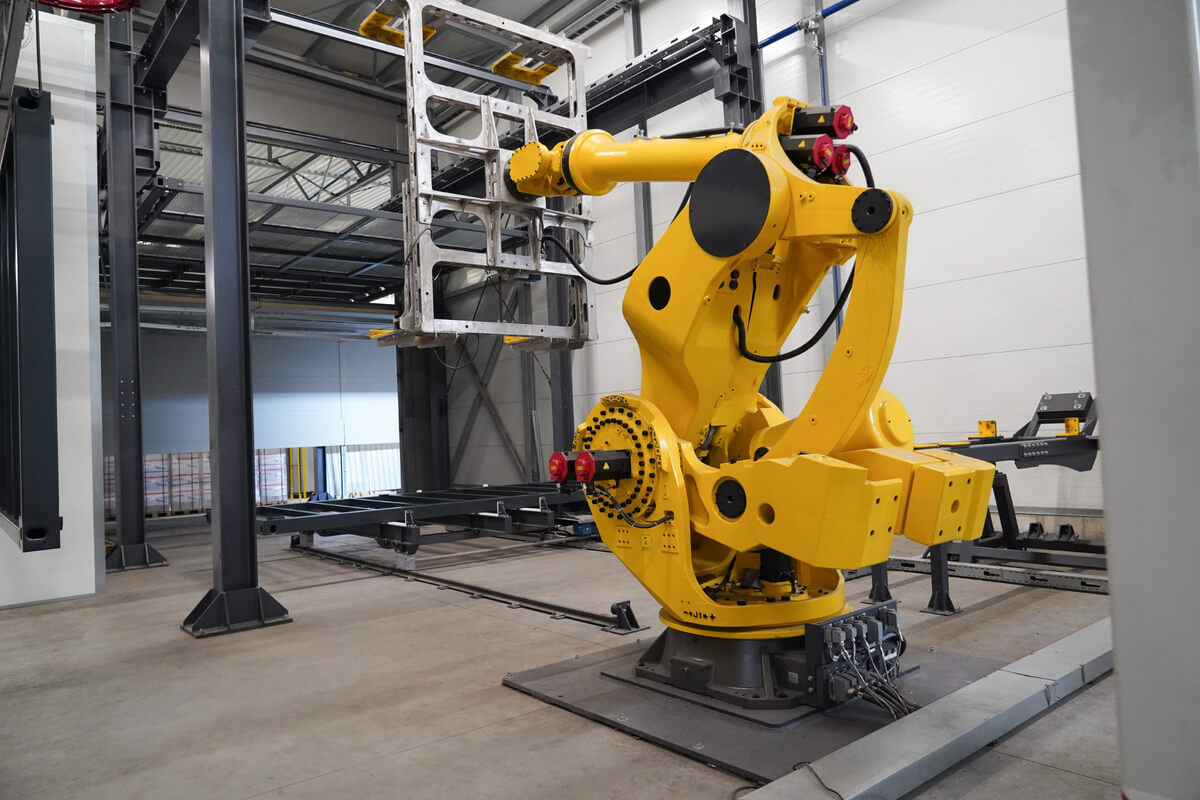
The modern production line at Modular System meets the growing market demand for modular container systems. Thanks to fully automated processes, the company delivers faster while maintaining the highest quality and reliability standards—from critical infrastructure to residential projects. Combining experience with advanced Industry 4.0 technologies ensures professional modular systems suitable for any application.
A step into the future – automated production line
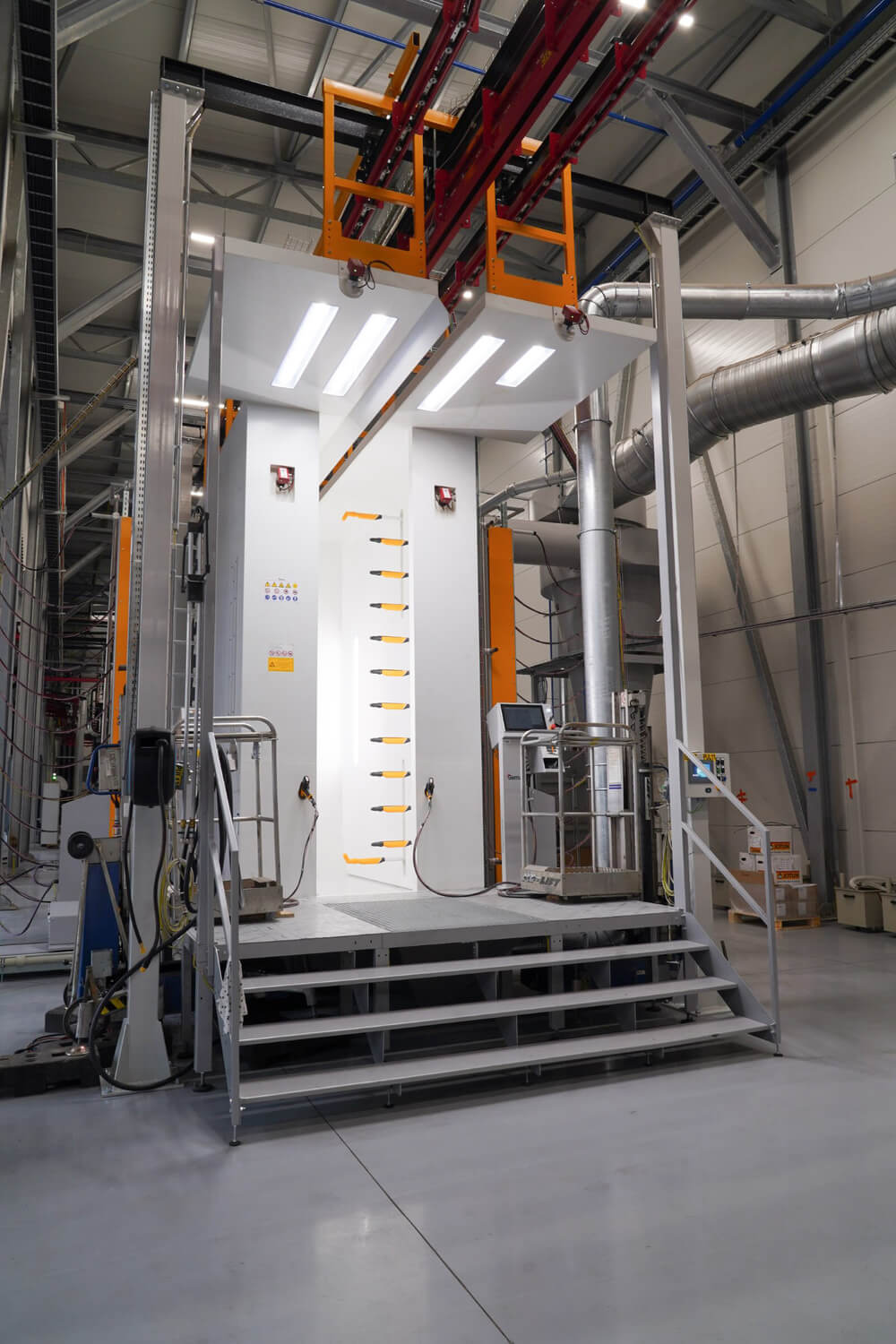
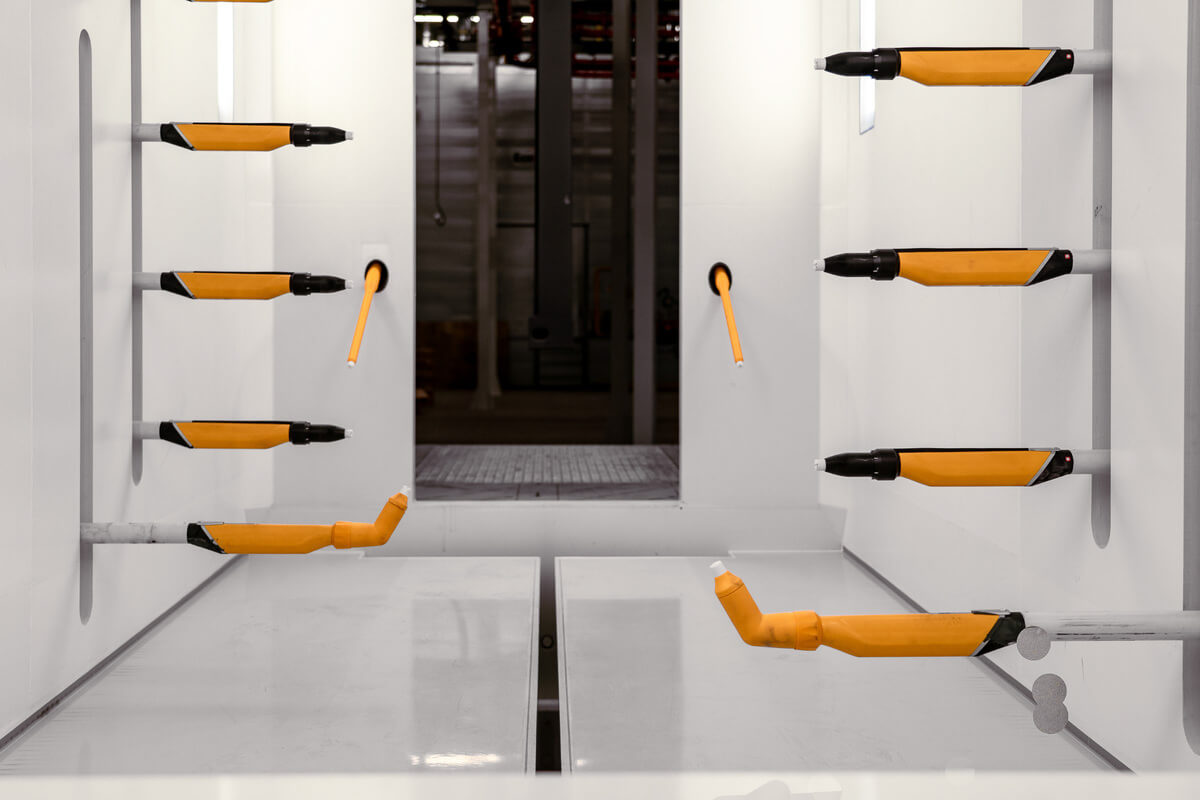
Automated steel storage systems enable efficient material management, accelerating production processes. State-of-the-art laser and tube lines, along with tandem press brakes, facilitate precise processing of large-scale components, even for the most demanding projects. The powder coating system, powered by pumps, ensures high-quality surface finishing, enhancing both durability and aesthetics of the products.
Key Benefits
Reduced production costs
Increased productivity and efficiency
Consistency and precision at every stage
Doubling production capacity